Render, Rain and Reality: Exterior Paint Choices That Survive a British Year
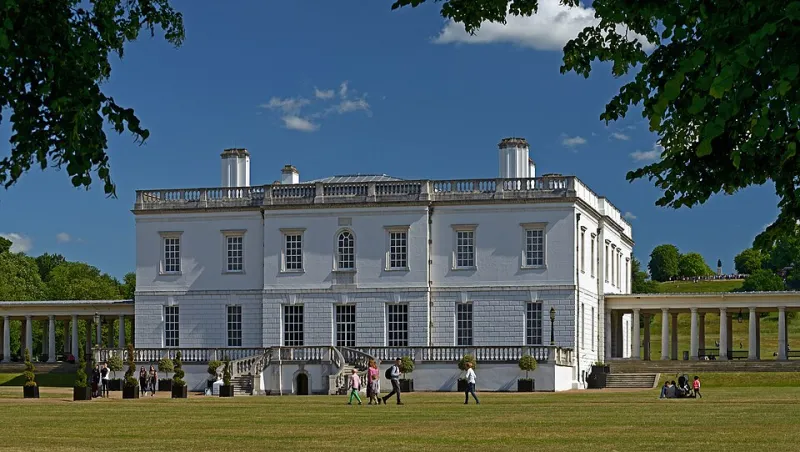
Photo: Ввласенко, CC BY-SA 3.0, via Wikimedia Commons
Exterior painting in the UK is less about picking a pretty tin and more about giving the weather one fewer way in. Between driving rain, UV, frost, and that special British habit of offering four seasons before lunch, the outside of a house takes a proper beating. The good news is that a sensible system — right surface, right primer, right topcoat, right timing — will outlast a rushed job by years. This is the practical side of exterior colour: the part that decides whether your fresh façade still looks smart after a few winters or starts flaking by the second spring.
Start with the surface, not the shade
Before colour comes cleaning. Moss, algae and general grime are common on north-facing walls and shaded render, and paint will not stick reliably to any of them. A fungicidal wash, applied safely and left to do its job, is usually the first step. Then come the small repairs: filling cracks, scraping back loose coatings, sanding rough edges and checking that rainwater is not running down a wall because a gutter or downpipe has seen better days.
Damp is the silent saboteur here. Painting over a damp wall traps moisture and almost guarantees blistering or flaking later. If a wall feels cold and clammy, or there is a history of damp, it is worth investigating before anyone opens a tin. On chalky or powdery render, a stabilising solution can help bind the surface, but only after the loose material has been removed.
Matching paint to the material
Render and brick
Masonry needs to breathe. A breathable, microporous masonry paint allows moisture to escape while keeping the worst of the weather out. Standard gloss or a heavy, non-breathable coating on render can trap damp and create a bigger problem than the one it was meant to solve. If brick has never been painted, think carefully before starting: unpainted brick is low-maintenance and full of character, and once painted it usually needs repainting again. If it is already painted, use a breathable masonry coating and keep the surface sound.
Timber
Wood moves, expands and shrinks with the seasons, so exterior timber paint needs some flexibility. Repair rotten sections first, then prime bare wood, apply a suitable undercoat and finish with an exterior satin or gloss that includes UV protection. Windows and doors take the brunt of the weather, so cutting corners here tends to show up quickly. A satin finish is often a good compromise: easier to live with than high gloss, but still wipeable and durable.
uPVC
uPVC is not maintenance-free, even if it likes to pretend otherwise. Clean it thoroughly with warm soapy water, rinse and allow it to dry. Specialist uPVC paint can transform tired frames and doors, but preparation and manufacturer guidance matter. Some darker shades can increase heat build-up on sunny elevations, so check what the paint system recommends for your profile rather than assuming any colour will behave the same way.
Timing the job around British weather
Late spring to early autumn is the usual window for exterior painting in the UK, but the forecast matters more than the calendar. Most exterior paints need a surface temperature of around 10°C and rising, with a decent dry spell ahead. Painting in the morning gives the coating the best chance to dry before evening damp arrives. Avoid painting in direct sun on a hot day, in strong wind, or when rain is due within the drying time stated on the tin.
A practical approach is to work one elevation at a time rather than trying to race around the whole house in a single weekend. It is slower, but it gives you a chance to spot problems, keep the finish even and avoid that familiar British situation where a sudden shower arrives ten minutes after the last brushstroke.
Colours that age gracefully
Light and mid-toned colours tend to be forgiving. Off-whites, stone, soft grey, muted sage and gentle clay tones hide dust and fading better than very dark shades, and they sit comfortably with Britain's mixed street scenes. Dark colours can look fantastic on a front door or as a deliberate accent, but they demand more from the substrate and can show chalky marks, heat effects and fading more readily. Quality matters as much as hue: a well-formulated exterior paint with good UV stability will hold its colour far better than a cheap tin that looked right in the shop.
A sensible sequencing plan for 2026
Treat the job as a system: wash, repair, protect, prime and then topcoat. Keep notes on which products were used and when, because future maintenance becomes much easier when you know what is already on the wall. Test colours on a hidden patch first, not just on a colour card, and view them outside in daylight. If the budget is tight, spend it on preparation and a decent paint system before you spend it on changing the shade.
At RG Painters & Decorators, we would rather see a straightforward exterior scheme done properly than a fashionable one done in a hurry. The best exterior paint is the one that still looks tidy after the rain, the frost and the odd heatwave have all had a go at it.