Paint, Prep and Labour: A Realistic Budget for One Room in 2026
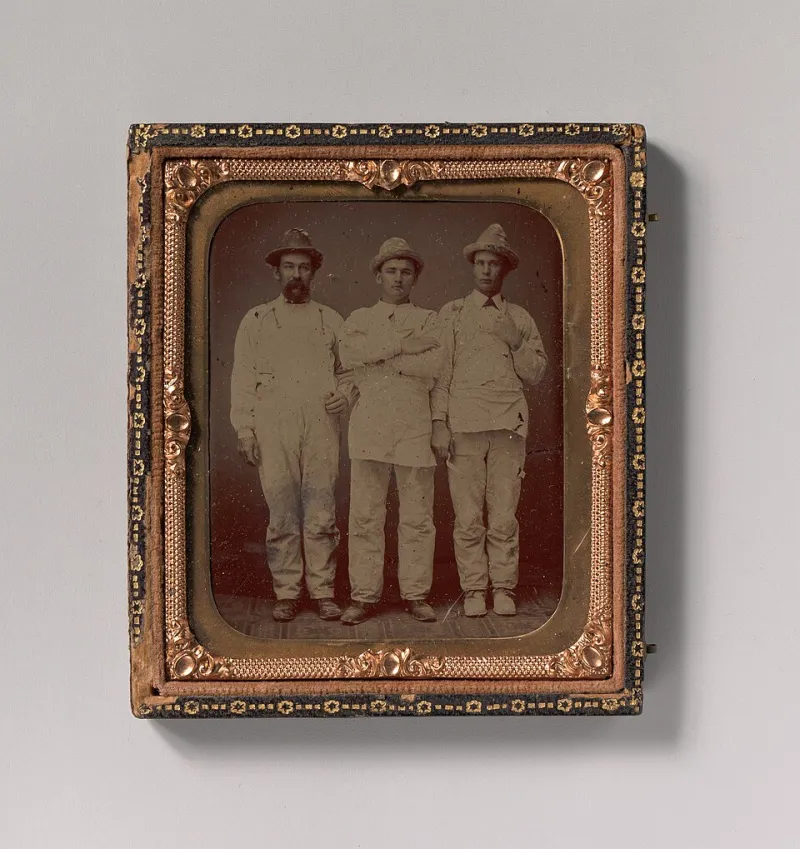
Photo: Unknown authorUnknown author, CC0, via Wikimedia Commons
Every quote conversation starts the same way. Someone has a bedroom or a front room they want smartening up, they've had a look at paint prices, and they've arrived at a figure that turns out to be about half of what the job really takes. Not because they've been naive — because the visible cost of decorating is the paint, and the bulk of the real cost is everything around it.
Here's what a single-room refresh looks like on paper in 2026, with the caveats that matter.
Start with the room, not the tin
Before any numbers, three questions decide the budget: how big is the room, how much furniture is in it, and how bad are the walls? A tidy Victorian bedroom with sound plaster and one coat's worth of pale colour is a different job entirely from a box room where the previous owner painted over wallpaper, the ceiling has a water stain and every edge needs filling.
As a rough framing for UK homes, assume an average double bedroom or small sitting room of around 12–16 square metres. That's the working example throughout.
What paint actually costs
For a room that size, you're typically looking at:
- Ceiling: one 10L tub of trade emulsion, roughly £45–£70.
- Walls: a 10L trade emulsion in your chosen colour, again £45–£75, or two 2.5L tins of a premium retail range at £30–£50 each if you've fallen for a specific shade.
- Woodwork: 2.5L of water-based eggshell or satin, £30–£55.
- Primer and undercoat: £20–£35 if bare wood or a colour change is involved.
Realistically, paint for one room lands somewhere between £120 and £200. Designer brands can push that past £300, and there's nothing wrong with that if the colour is the point — but it's worth knowing that most of the price difference is pigment and marketing, not durability.
Prep: the line nobody wants to pay for
This is where budgets quietly double. Consumables for a single room typically run £50–£100: filler, caulk, sugar soap, sandpaper and abrasive pads, dust sheets, masking tape, a decent cutting-in brush, roller sleeves, and possibly a small tin of stain-blocking primer.
Then there's the labour of prep, which is the part that separates a job that lasts eight years from one that lasts two. Filling cracks, sanding back flaking gloss, cutting out tired silicone, easing a door that's been painted into its frame — none of it shows in the finished photos, and all of it takes time.
If the walls need a skim of plaster, add £300–£600 for a plasterer depending on the area, plus drying time before anyone can paint. If there's damp or a blown patch, fix the cause first. Painting over a problem in 2026 just means paying for the same problem again in 2028.
Labour: how the pricing actually works
Most UK decorators price either by day rate or by the job. Day rates in 2026 generally sit between £200 and £320 per decorator, with London and the South East at the top of that band and much of the North and Midlands lower. A straightforward room is usually two to three days for one person; a room with heavy prep, high ceilings or lots of trim can easily stretch to four.
That puts labour for a typical single room at roughly £400–£900. Add materials and you're looking at a sensible total of around £600–£1,100 for a well-executed refresh, and £1,200–£1,800 once you're into plastering, significant joinery repairs or a full colour change including ceilings and all woodwork.
These are guides, not quotes. Anyone who gives you a firm number over the phone without seeing the room is guessing, and so are you if you budget from a website.
Where you can save without it showing
- Trade paint over premium retail. Genuinely fine, often better coverage, and the savings pay for your prep materials.
- Do the clearing and covering yourself. Moving furniture, taking down curtains and pictures, and lifting what you can off the floor saves half a day of chargeable time.
- Keep the existing colour family. Going from mid-grey to mid-grey is one coat on the walls; going from deep navy to chalk white is three.
- Choose a low-sheen finish on imperfect walls. Matt hides lumps, but it marks. A durable matt or soft sheen is often the smarter compromise than paying for skimmed perfection.
Where saving costs more later
Cheap out on prep and you'll be repainting within two years — the most expensive thing you can do is pay twice. Skipping primer on bare timber or stained ceilings leads to bleeding and flaking. Reusing old roller sleeves leaves fibres in the finish. And buying the smallest tin to save £12 usually means a second trip and a visible patch where the colour didn't quite match.
The other false economy is doing the woodwork badly. Trim takes time, and it is the first thing anyone notices when they walk in.
Reading a quote without comparing apples to oranges
Two quotes for the same room can differ by £400 and both be fair — if one includes ceilings, all woodwork, filling, two coats throughout and furniture protection, and the other is walls only, one coat, no prep. Before you compare numbers, ask each decorator:
- How many coats, and on which surfaces?
- Is the ceiling and all woodwork included?
- What prep is covered — filling, sanding, caulking, priming?
- Are materials included, and whose paint?
- How many days are allowed, and how many people?
- Is there a written schedule and a clear payment structure?
A good decorator will answer all of that without bristling, and will usually tell you where you could spend less. Ask for a couple of recent local references too — a room they finished six months ago tells you more than any glossy portfolio.
Budget generously, prepare properly, and a single room refresh in 2026 will still be looking sharp when the next trend has come and gone.